Fino was easily in my top 5 favorite restaurants during my two week honeymoon in Greece. The services was so warm and friendly and the food was truly delicious. When we arrived, a waitress came over with a tray of all of their dips/spreads for us to select from, which was really fun and different. The whipped feta dip with honey and black garlic tzatziki were to die for. We had dolmades, grilled halloumi, and sea bass multiple times while in Greece, but Fino had the best of all three. The ambiance was also so pleasant and the decor on the patio and inside was really lovely. Highly recommend!
Overview
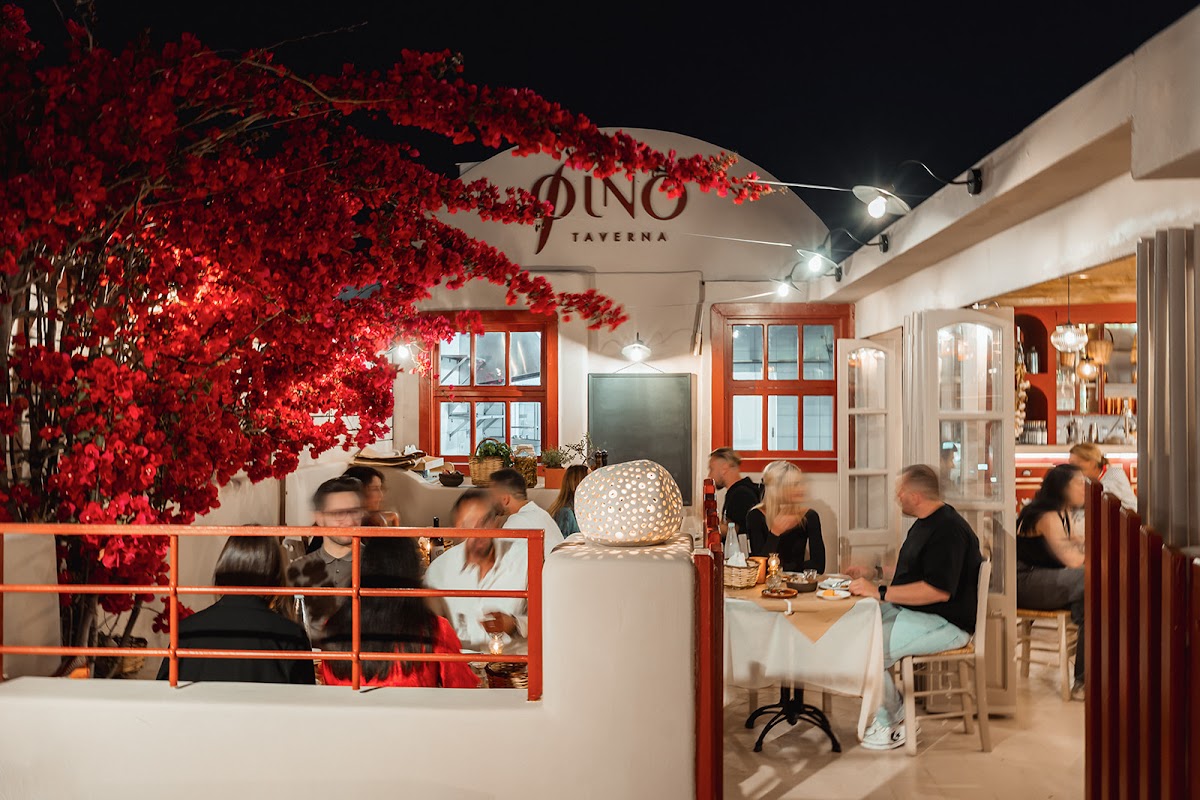
Perched along the caldera cliffs in Oia 847 01, Greece, Fino Greek Taverna Santorini feels like the kind of place you stumble upon once-and then plan your entire evening around. I remember walking through the narrow marble lanes of Oia just before sunset, the Aegean glowing in soft pink and gold, and being drawn in by the quiet elegance of its courtyard. Unlike the loud, tourist-packed terraces lining the cliff edge, this taverna offers something more intimate and authentic.
The menu reads like a thoughtful tribute to Cycladic and broader Greek cuisine. Fresh seafood takes center stage, and that’s not by accident. According to the Hellenic Statistical Authority, seafood consumption in island regions of Greece remains among the highest in the country, largely due to proximity and daily sourcing practices. Here, you taste that immediacy. The grilled octopus, tender and lightly charred, arrives drizzled with Santorini fava purée and capers. It’s simple, but that’s the point. Greek culinary philosophy, as noted by the Greek Gastronomy Guide, emphasizes high-quality raw ingredients over complicated techniques. Fino embraces that principle confidently.
On my last visit, I watched the staff describe the catch of the day in detail-where it was sourced, how it would be prepared, and which local wine would complement it. That kind of transparency builds trust. The sea bass, baked in parchment with cherry tomatoes and herbs, came out fragrant and flaky. The method, known locally as “psari sto charti,” locks in moisture while preserving the natural flavor of the fish. It’s a classic technique you’ll find in many reputable Greek kitchens, but here it feels refined rather than rustic.
Santorini’s volcanic soil also plays a major role in what ends up on your plate. The island’s famous cherry tomatoes and white eggplants, grown in mineral-rich terrain, carry a distinct sweetness. Research published by the Agricultural University of Athens highlights how volcanic terroir enhances mineral content in local produce. You notice that depth in the tomato salad-bright, slightly briny, finished with creamy feta and a generous pour of extra virgin olive oil. It’s a dish you’ve probably seen before on countless menus, yet here it tastes remarkably alive.
Of course, no visit would be complete without exploring the wine list. Santorini is internationally recognized for its Assyrtiko grape, and sommeliers worldwide often praise its crisp acidity and aging potential. The wine selection at Fino leans heavily into local labels, which I appreciate. I once paired a chilled Assyrtiko with grilled prawns, and the citrus notes cut through the sweetness of the shellfish beautifully. It wasn’t just dinner; it was a lesson in regional pairing.
Service deserves a mention too. In many reviews across travel platforms, consistency in hospitality is what separates a good restaurant from a memorable one. Here, the staff strikes that balance between attentive and relaxed. They guide you through the menu without hovering, explain ingredients clearly, and adapt dishes when needed. For example, a friend of mine with dietary restrictions was offered a customized vegetarian platter featuring roasted vegetables, Santorini fava, and handmade dolmades-no fuss, just thoughtful accommodation.
The location in Oia adds another layer to the experience. While some restaurants focus solely on the view, Fino invests in atmosphere: soft lighting, curated music, and a layout that encourages conversation. It’s particularly appealing for couples seeking a romantic dinner or small groups celebrating something special. Reservations are highly recommended during peak season, especially from May through September, when Santorini sees its highest visitor numbers according to the Greek Tourism Confederation.
If there’s any limitation, it’s that pricing reflects the island’s premium status. Santorini is not the most budget-friendly destination in Greece, and dining here aligns with that reality. Still, when you consider the quality of ingredients, professional execution, and overall experience, the value feels justified.
What keeps bringing me back isn’t just the food. It’s the way everything works together-the menu rooted in Greek tradition, the carefully selected wines, the knowledgeable staff, and the setting tucked away in one of the most photographed villages in the world. In a place filled with dining options, this taverna manages to feel personal, grounded, and genuinely connected to the flavors of the island.
Good to know
Service options
✓ Outdoor seating ✓ On-site services ✓ Dine-in ✓ Delivery ✓ TakeawayAccessibility
✓ Wheelchair-accessible entrance ✓ Wheelchair-accessible seating ✓ Assistive hearing loop ✓ Wheelchair-accessible car park ✓ Wheelchair-accessible toiletOfferings
✓ Alcohol ✓ Beer ✓ Cocktails ✓ Late-night food ✓ Small plates ✓ Spirits ✓ Vegan options ✓ Vegetarian options ✓ WineDining options
✓ Lunch ✓ Dinner ✓ Counter service ✓ Dessert ✓ Seating ✓ Table serviceAmenities
✓ Bar on site ✓ Toilet ✓ Wi-Fi ✓ Wi-FiCrowd
✓ Family friendly ✓ LGBTQ+ friendly ✓ Transgender safe spacePlanning
✓ Reservations required ✓ Accepts reservationsPayments
✓ Credit cards ✓ Debit cards ✓ NFC mobile payments ✓ Credit cardsChildren
✓ Good for kids ✓ High chairsPets
✓ Dogs allowed ✓ Dogs allowed inside ✓ Dogs allowed outsidePhotos
1 / 4
Location
Reviews
- No ratings yet 893 reviews
I would start a review of Pino / Fino by saying the food in the photos tasted as good as it looked. In fact in night 5 of the holiday Laura said this was her favourite meal. Fino is in the backstreets of Oia and not overlooking the sea, however they make up for that as someone else said by the quality of the food and lovely setting of the restaurant. We’d walked past and thought it looked nice and decided to go. There was steady business when we were there in Oct 2025 but certainly it deserved to be busier. We had reserved but walks up were available. We had the open kebabs and grilled halloumi with tomato jam as a starter, and for main course I had the braised lamb and orzo special and Laura had the shrimps and orzo which she said had been the favourite thing she’d had so far. Another plus point was the fact, similar to other Greek islands we have visited, you could get house wine by the 1/2 ltr and Ltr, rather than having to buy quite expensive bottles wine which all the other restaurants only have available and ends up being 1/3rd of the bill. The staff were very friendly and helpful and I highly recommend visiting if you can.
We came here twice while in Santorini! The food, atmosphere and service are outstanding. I will be dreaming about the lamb shank forever. I seriously can’t recommend this spot enough!
The best restaurant in Oi! Lamb shank was awesome. You don’t have caldera view but you have so positive real Greek atmosphere and unbelievable food!!!!
One of my favorite places to eat in Santorini! If it had a view, it would easily be the best spot on the island. The food is amazing, prices are reasonable, and the service is super friendly and attentive. Highly recommend!
I absolutely loved this Greek restaurant! The staff was incredibly kind and welcoming — you could tell they work together as a great team, which really creates a warm and pleasant atmosphere for guests. The food was delicious, and our waiter recommended some really interesting and tasty local dishes that we wouldn’t have thought to try otherwise. The local wine served in a carafe was absolutely amazing — full of flavor and the perfect complement to the meal. One of the highlights for me was the Greek music playing in the background. It’s something you don’t hear in every restaurant in Santorini, but it makes such a difference. When you travel to Santorini, you want to experience a bit of Greek culture, and details like this really help set the mood. Thank you for a wonderful experience!
Late night spot with a beautiful ambiance and great food! We got the lamb shank and sea bass filet. The lamb shank was insanely good, HIGHLY recommend this dish. The meat is so tender and juicy, we loved every bite. Great for sharing with another person. We got it with oven potatoes instead of the mashed potatoes and even the potatoes were great and seasoned well. The fish was also good too and came with a fava bean puree. The lamb shank was the star of the meal though.
Absolutely amazing dining experience! We ordered the famed port ragou pasta and the lobster pasta, as well as the black garlic and eggplant spread - they were all massively delicious. It’s paradise of food, and we definitely recommend it to anyone going to Santorini! The waiter showed great hospitality and even treated us two glasses of sweet wine on the house. We were extremely happy with the dinner here!